
“All happy families are alike; each unhappy family is unhappy in its own way.” – Leo Tolstoy
One of my favorite lines in literature, but we are often more alike in our unhappiness than we realize. Each family’s pain manifests differently, in varying intensity, yet these truths exist in nearly every household. The saddest part is that we are forbidden from speaking them aloud—even to those who caused the hurt. What happens behind closed doors is considered private, and even then, it is taboo to mention. It is better, the thinking goes, to be polite than truthful; better to remain silent than to fight. And so, tension collects in the corners, clinging to everything and everyone.
Some are favored, and everyone knows it. It is human nature to have favorites. There are people we mesh better with, even within our own family, but when love is obvious for some and withheld for others, poisonous tensions spread. The shadow of favoritism infects relationships far beyond where it began.
We learn our roles before we know we can resist. Expectations are assumed, rarely explained. These roles begin before we can question them, hidden beneath the guise of tradition. Daughters know not to ask why the boys never clean up; sons know dolls are off-limits.
Stories are repeated like gospel. Every family has its lore, passed from one generation to the next, but parts are omitted, altered, or sanitized with time. Then there are stories that must never be mentioned at all. Even if you witnessed them, even if you endured them, you learn to stay silent. They are glossed over, denied, or dismissed as exaggeration.
Names carry weight like gravestones in an overgrown family plot. Some members exist in the atmosphere only as a silent poison. Their names evoke guilt, pain, or fear, whether for the sins they committed or those committed against them.
Apologies drift through empty parlors like dust in the air. They are rarely meant. Some believe they owe no apology, insisting their intentions were correct, even when harm was done. Mentioning it is disrespectful. Love hurts, they say. Move on.
Some of us grew up too fast; others were shielded. Some learned silence, others learned departure. We often play multiple roles in different areas of the family, each experience shaping a unique perspective and a distinct pain.
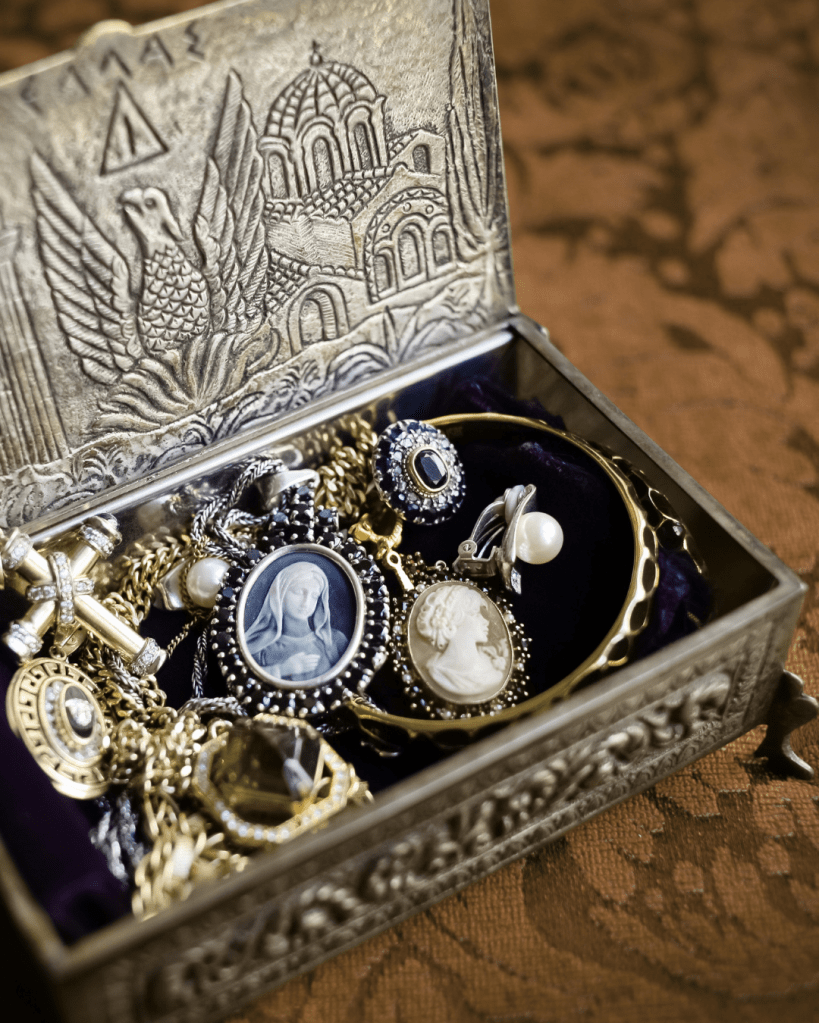
Patterns are passed down like unwanted heirlooms, unless we consciously shatter them. We can choose to break the cycle, to protect the next generation from the echoes of our inherited pain. Remember what it felt like, and let that memory guide your choices.


Leave a Reply