
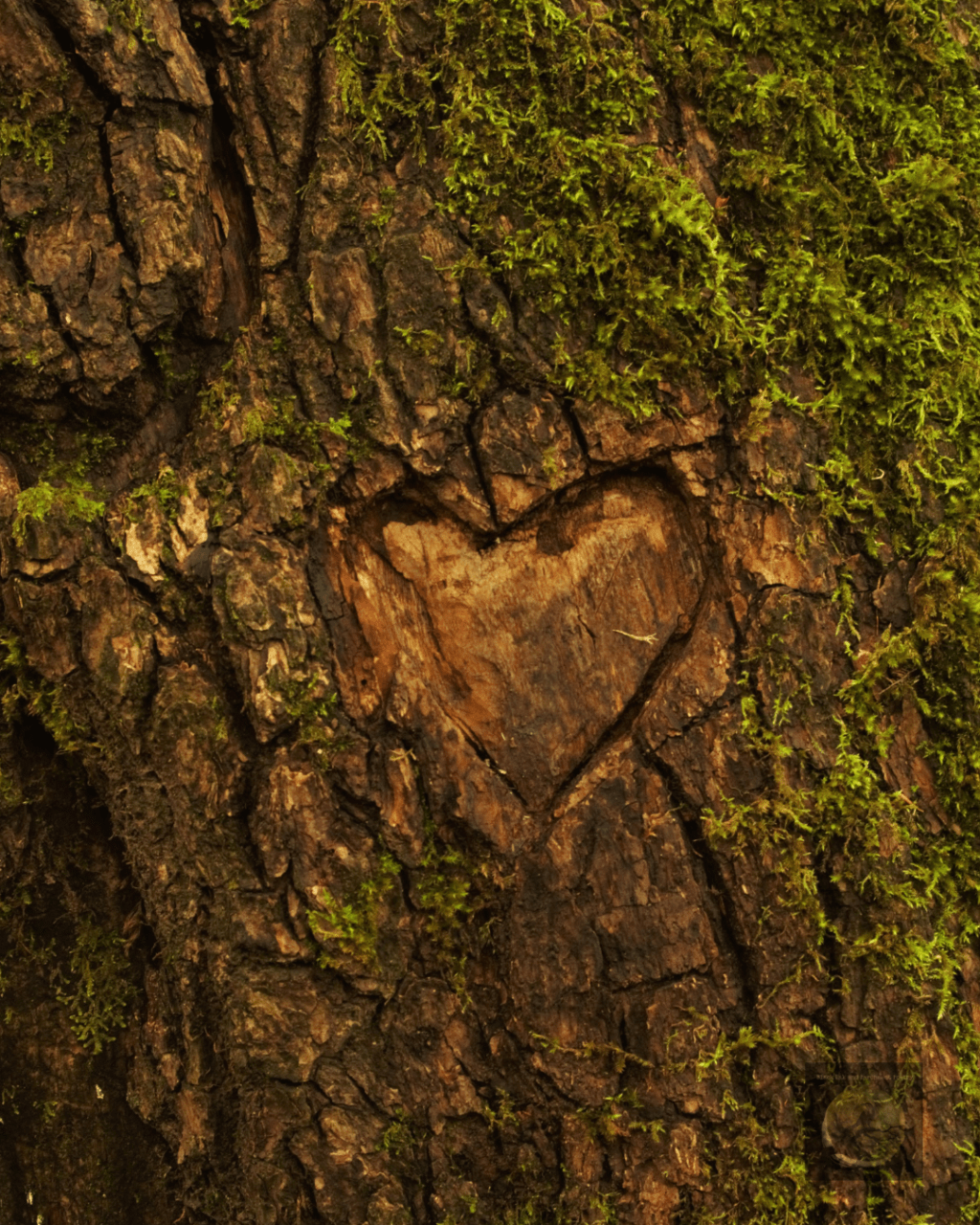
We leave traces of ourselves everywhere. Initials are carved into trees. Locks are fastened to bridges. We paint, we journal, we write songs. Our newest obsession is scattering fragments of ourselves across social media, preserving thoughts that might otherwise vanish with the passing day. Why do we do this?
- The fear of being forgotten.
We know, whether we admit it or not, that life is temporary. Every hour slips quietly into history. Every heartbeat carries us forward. Yet there is something in us that resists disappearing, a whispered protest against time itself.
A pressed flower between the pages of a book. A letter tucked away in a drawer. A photograph faded at the edges. These are our attempts to say, I was here. This life happened. This mattered.
We want our experiences to become something tangible, something that can be touched, seen, or revisited long after the moment has passed. Memory is fragile. It shifts and softens like mist over an old cemetery. Art, journals, songs, and stories become anchors against that forgetting. They allow us to return to moments that would otherwise disappear into the dark.
- A desire to connect with both the past and the future.
There is something strangely intimate about reading a novel written centuries ago or standing before a painting left behind by someone whose name has long been forgotten. Across years, decades, and generations, a conversation continues. A poet writes to an audience they will never meet. An anonymous artist leaves a mural on a brick wall. A journal survives in an attic. Through these small acts of creation, strangers speak to one another across time. The dead leave messages for the living, and the living leave messages for those yet to come.
- We are also searching for ourselves.
Old journals become mirrors. Sketchbooks become timelines. A notebook from our teenage years reveals forgotten fears, abandoned dreams, and versions of ourselves we can barely recognize. Looking back allows us to measure growth, not in numbers, but in becoming. We discover who we were so we can better understand who we are.
When people think of legacy, they often imagine books, paintings, albums, heirlooms, or monuments. Yet some of the most enduring evidence we leave behind cannot be displayed in a museum. It is the advice we offered when someone needed guidance, the kindness shown when no one was watching, the traditions we created, the lessons we taught and the memories we made.
In the end, it is not the object that we hope will be remembered. The journal is only paper. The song is only sound. The photograph is only light captured for a moment. What we truly wish to preserve is the heartbeat beneath them: the proof that we loved, wondered, created, suffered, and existed.


Leave a Reply